Vogue
New York Academy of Art — Tribeca Ball 2025
Precious Osamuyimen Eboigbodin featured among artists at the prestigious Tribeca Ball, New York Academy of Art's premier annual gala.
Read Feature →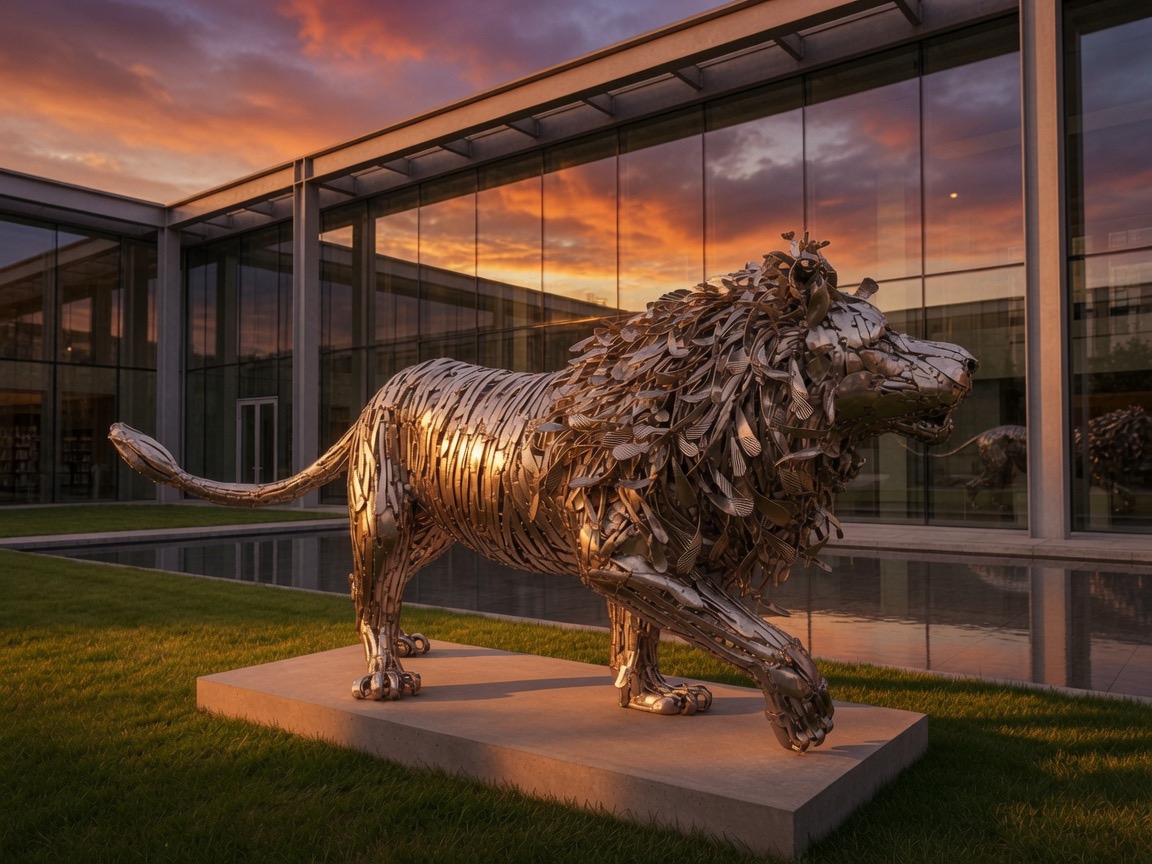
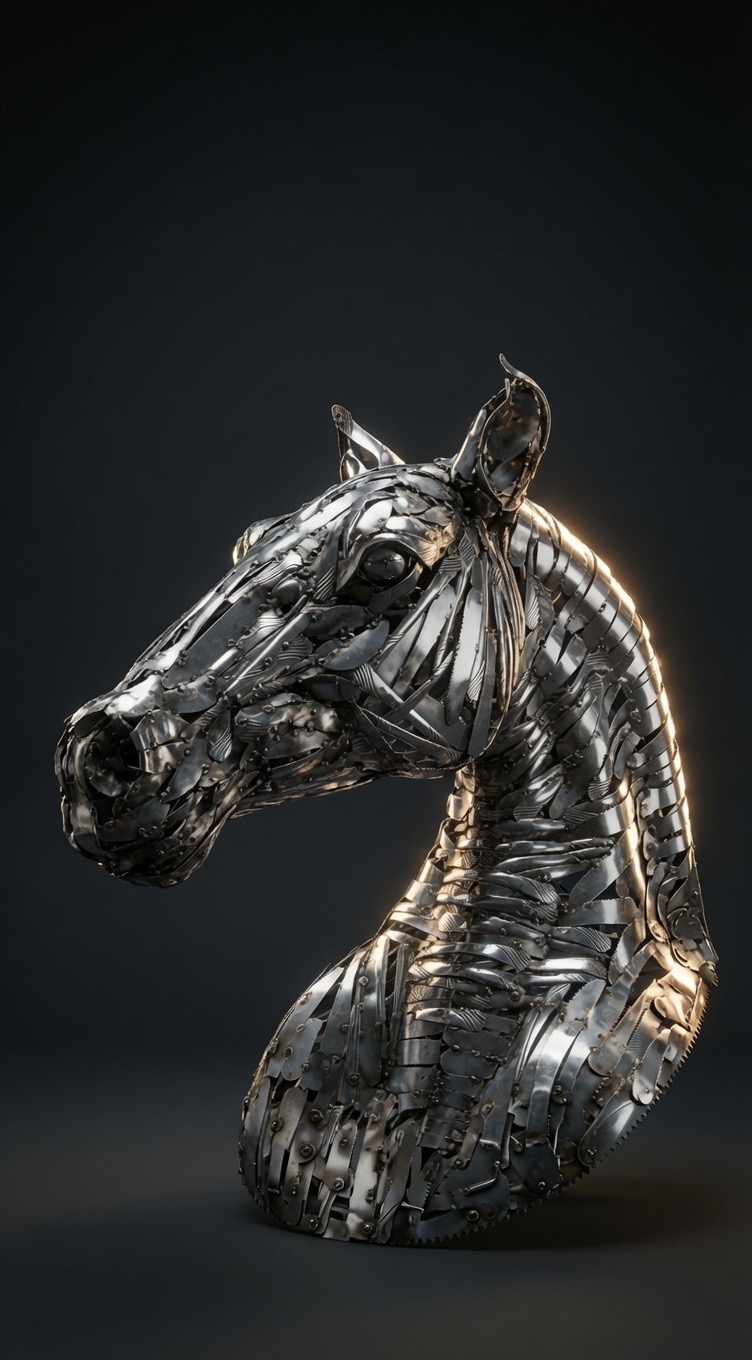
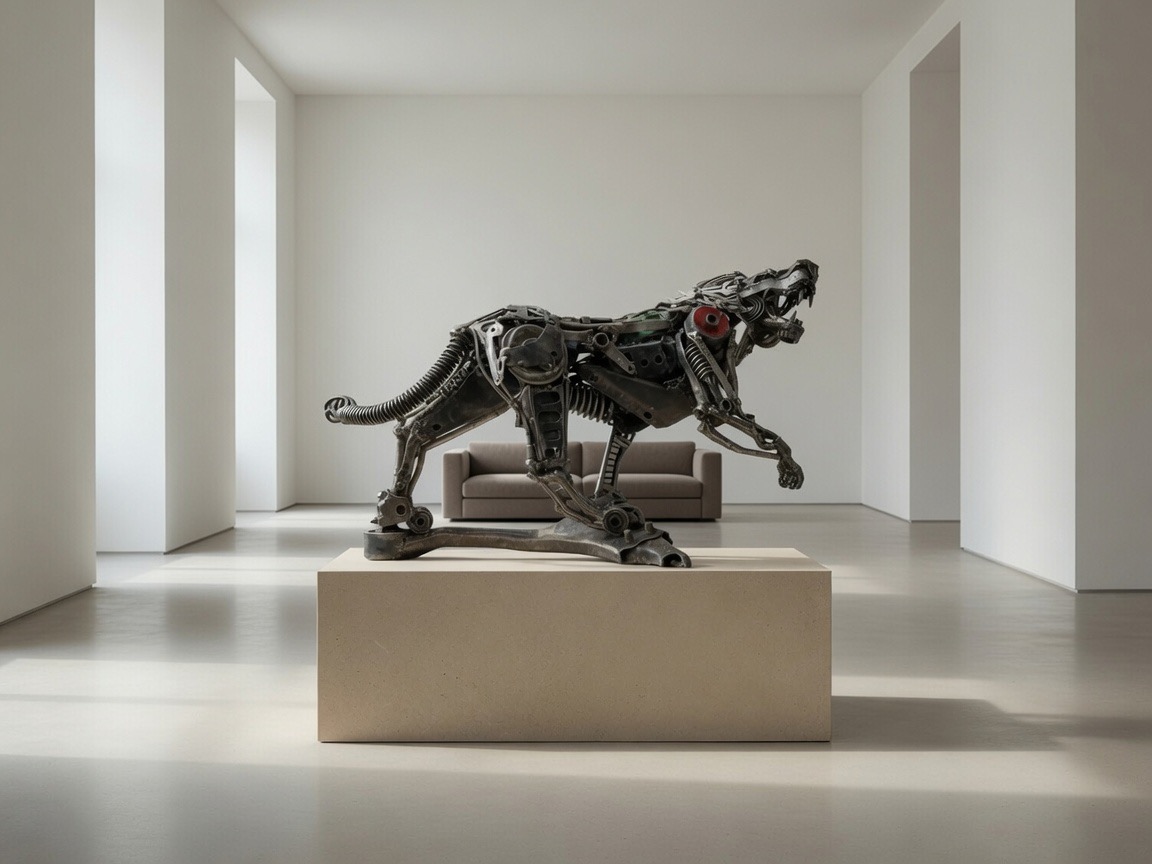
Form. Tension. Permanence.
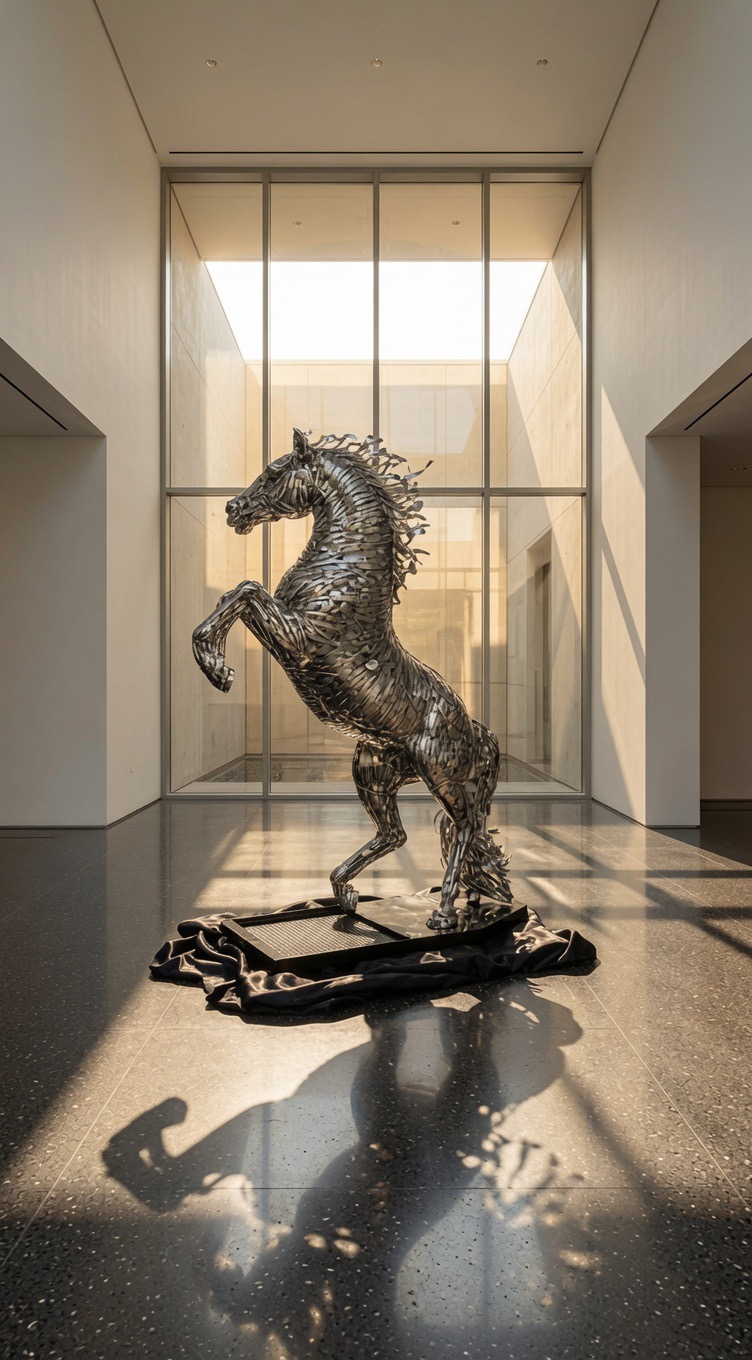
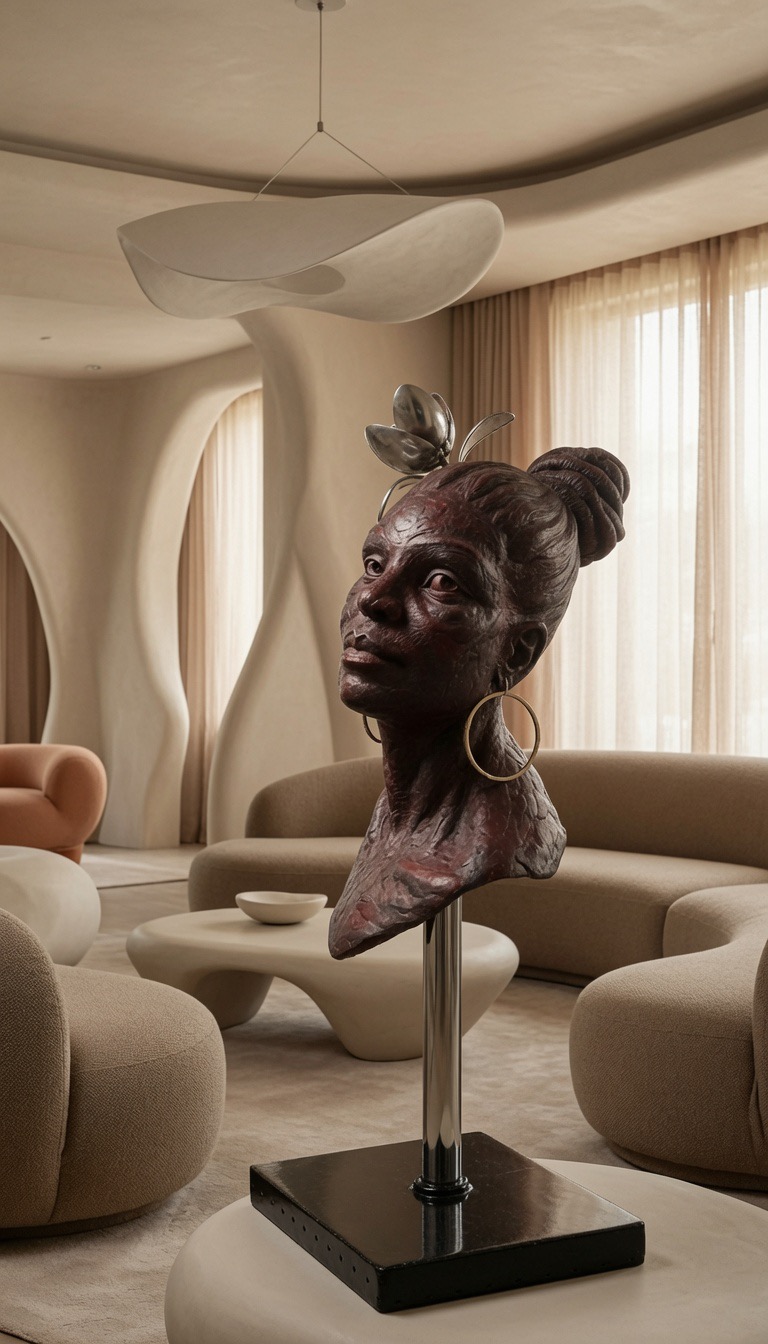
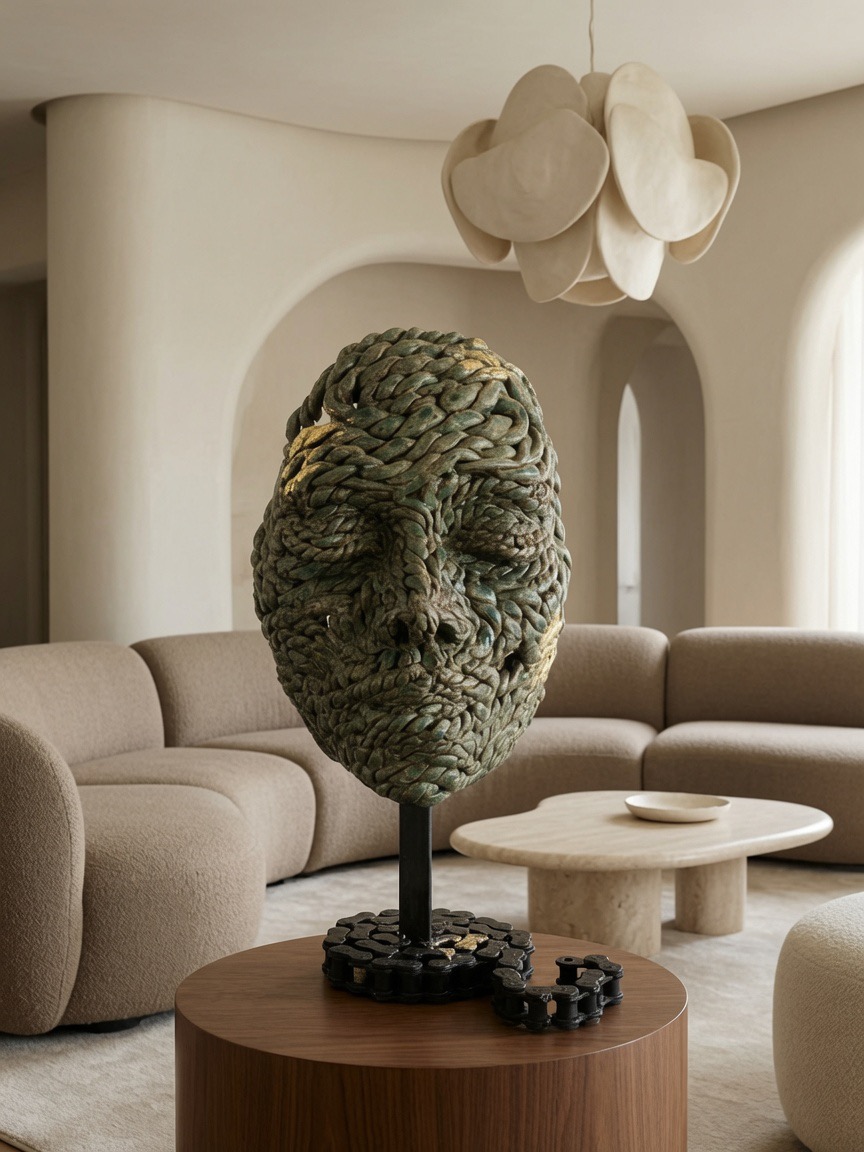
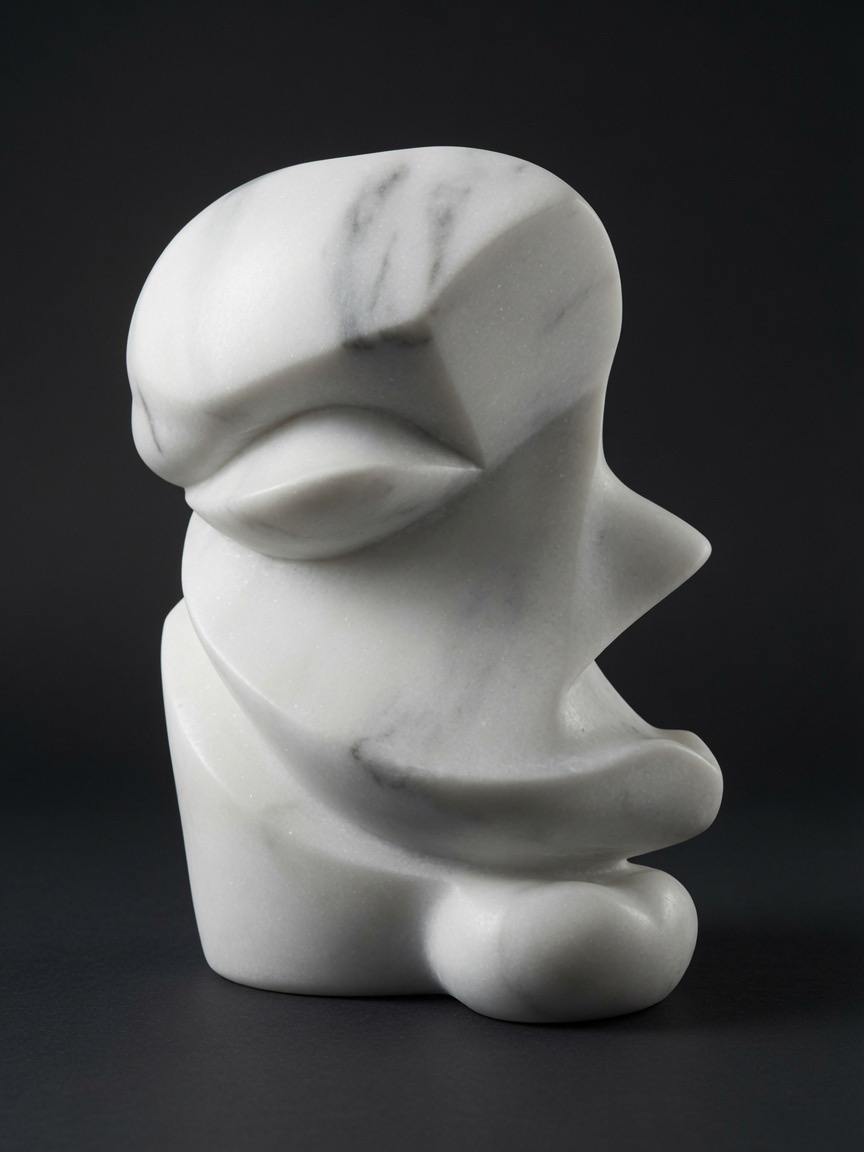
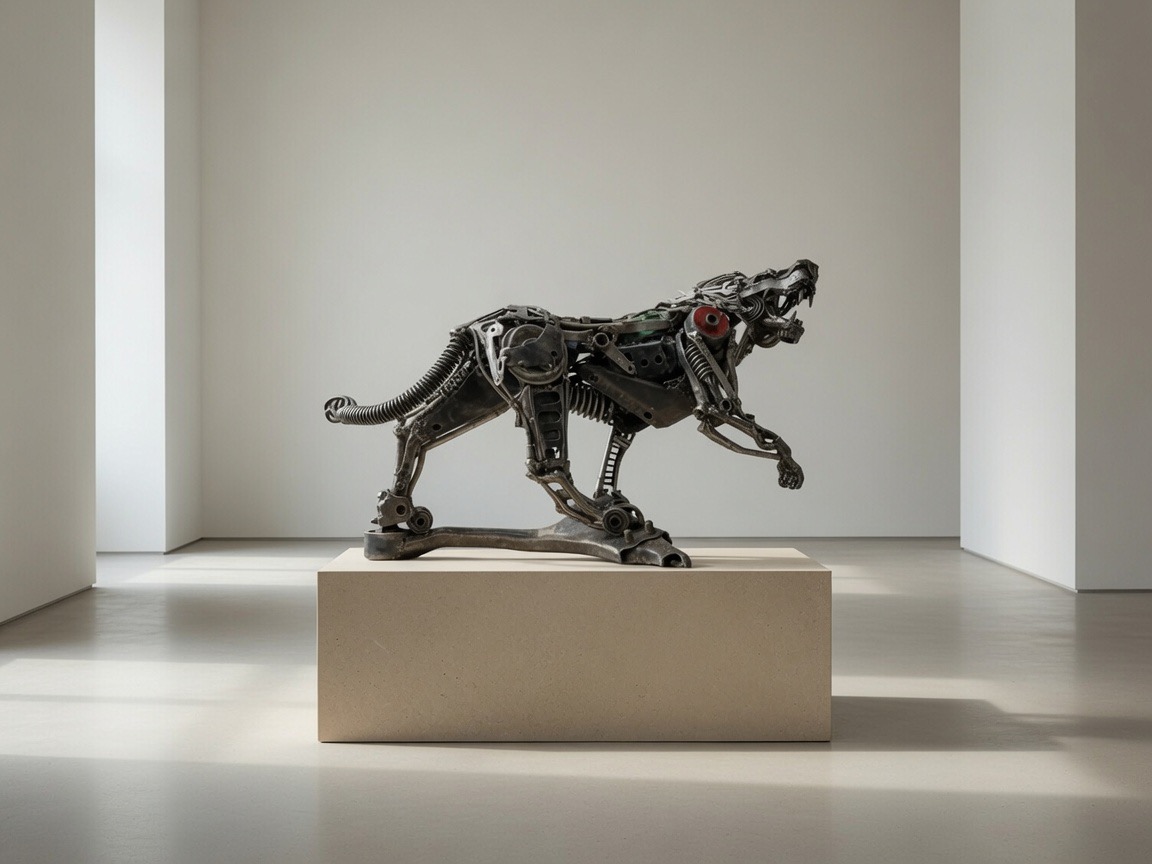
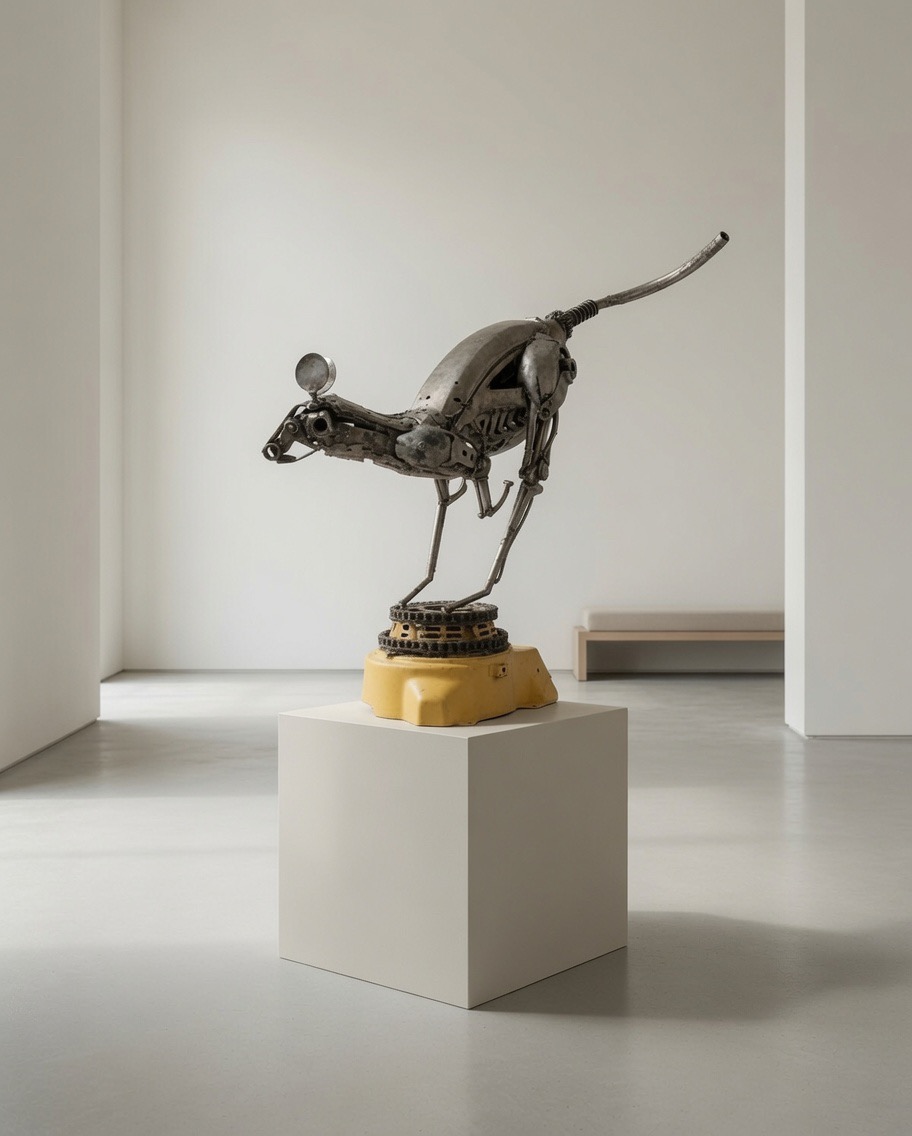
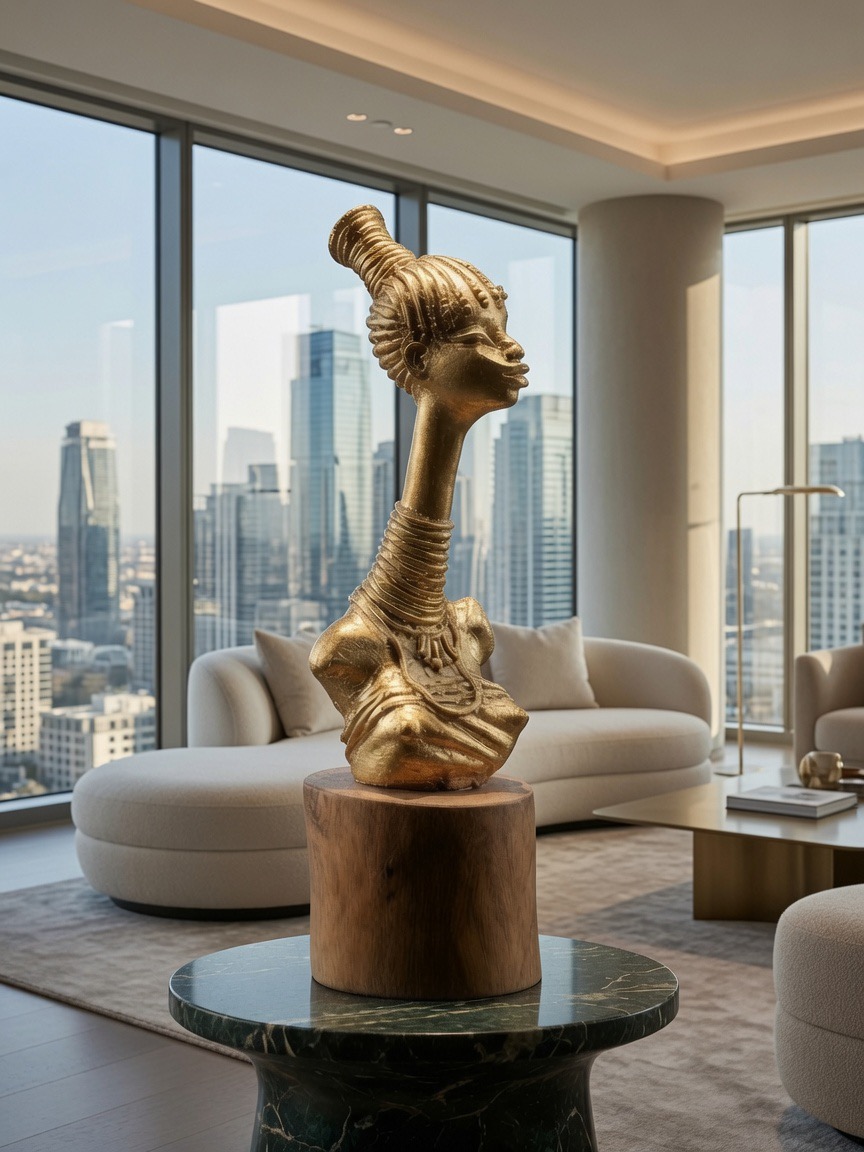
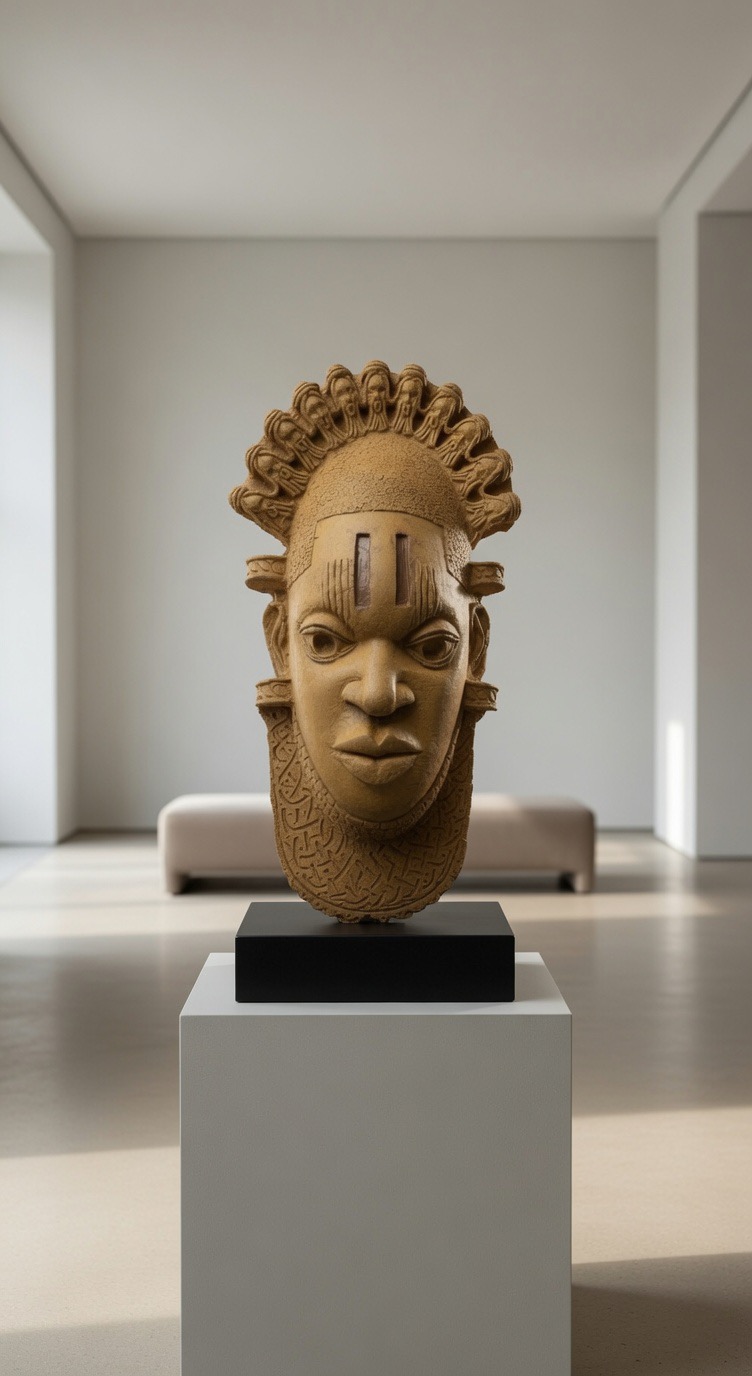
Selected Works
The Artist
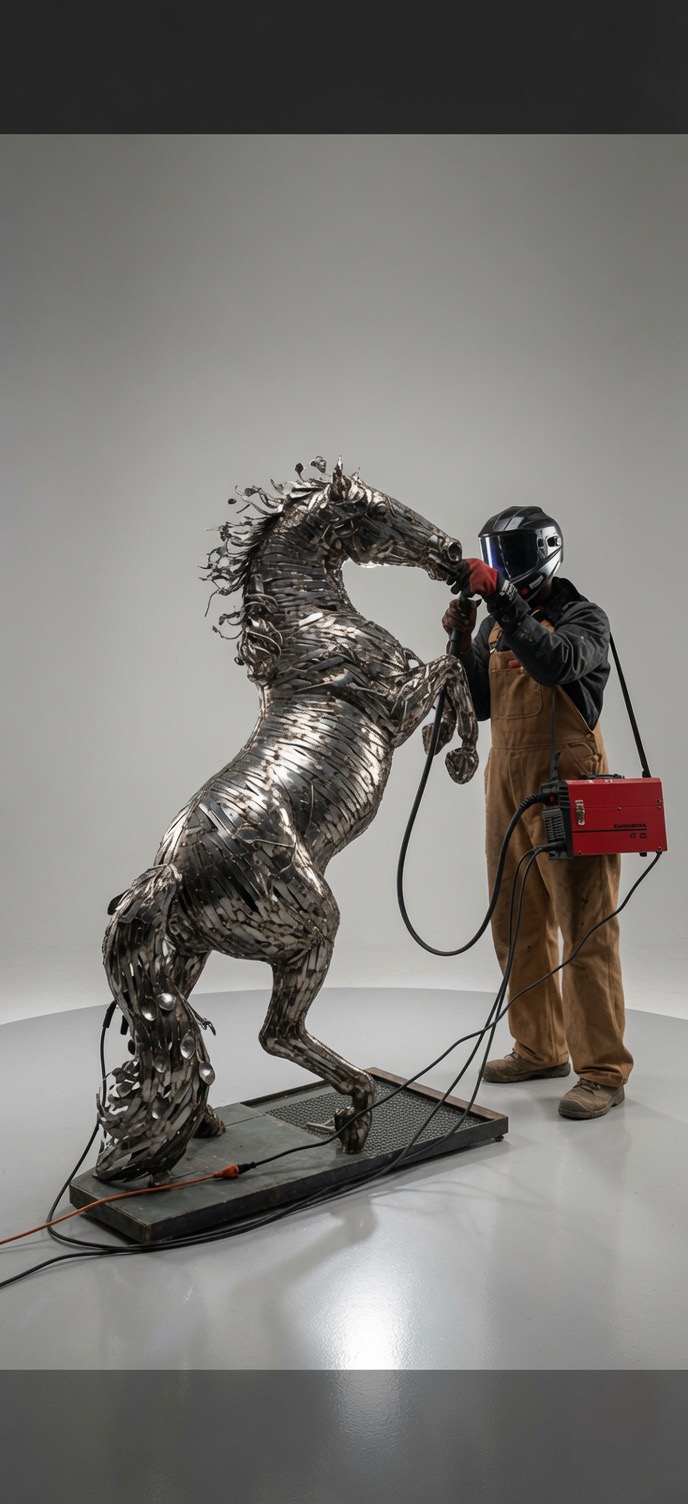

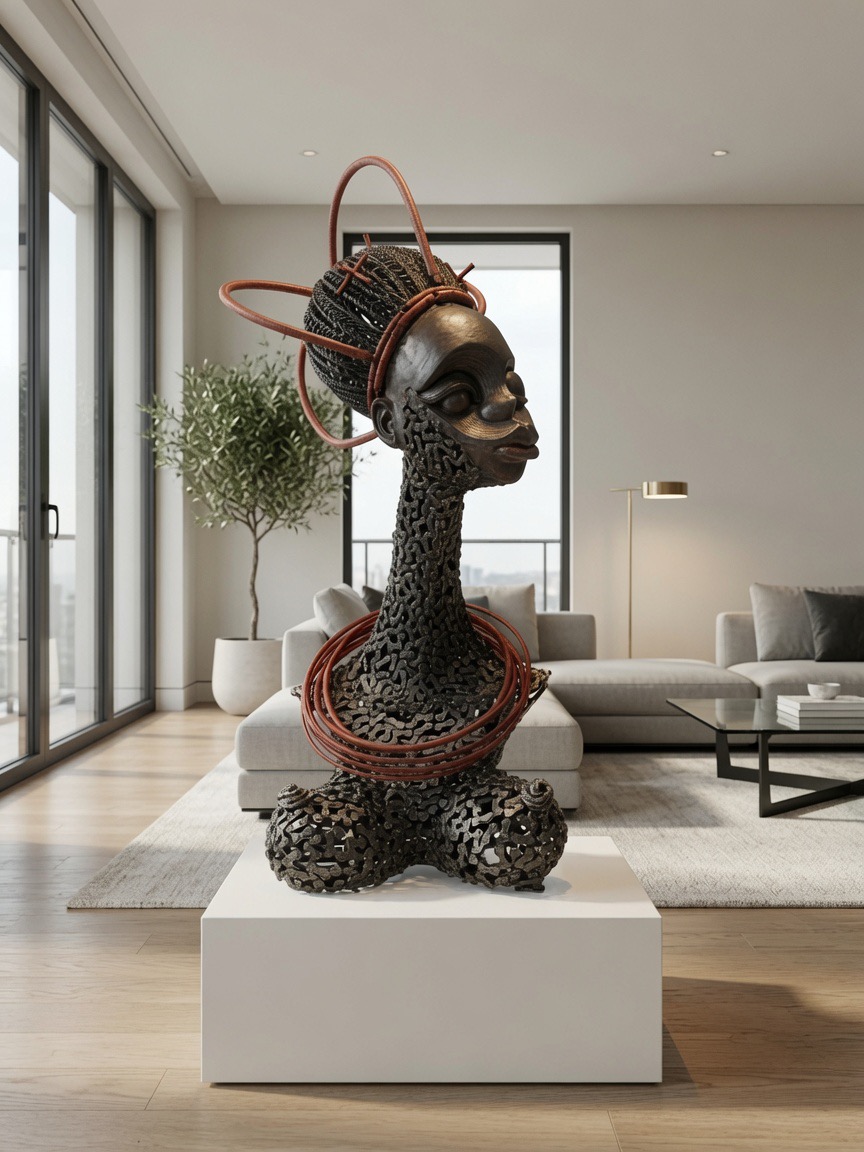
Precious grew up watching communities struggle with what to do with waste. Not as a policy problem — as a daily, physical reality. Metals corroding in yards. Objects stripped of purpose. Material accumulating at the edges of life. Not rubbish — raw material waiting to be rethought.
That instinct became a practice. And a practice became a conviction: that the act of taking something discarded and making it beautiful is itself a political and spiritual act. A refusal — to accept that thrown-away means worthless, that broken means without future.
Each sculpture is built by hand — welded, carved, cast, and refined across weeks and months. Each one carries the memory of the material it was made from, and the imagination of what it became.
The work is rooted in Nigerian and wider African identity — in the visual language of the continent, its animals, its figures, its crowns, its forms. But it speaks universally. A lion made of knives and forks is not just African. It is human. It is the question we all face: what do we do with what we no longer want?
Sustainability
Every piece is built from reclaimed and upcycled materials. Nothing virgin. Nothing wasted.
African Identity
Rooted in the visual culture, mythology, and life of the African continent.
Hand Craftsmanship
Welded, carved, and assembled entirely by hand. No two pieces alike. No shortcuts.
Transformation
Turning discarded material into beauty is not a technique. It is the message.
As Seen In
Vogue
Precious Osamuyimen Eboigbodin featured among artists at the prestigious Tribeca Ball, New York Academy of Art's premier annual gala.
Read Feature →The Guardian
An in-depth profile on Precious Eboigbodin's remarkable craft — transforming reclaimed materials into museum-grade sculpture.
Read Feature →Westfair Online
Precious Eboigbodin's sculptural work featured alongside world-class equestrian events at Old Salem Farms, New York.
Read Feature →Work With The Artist
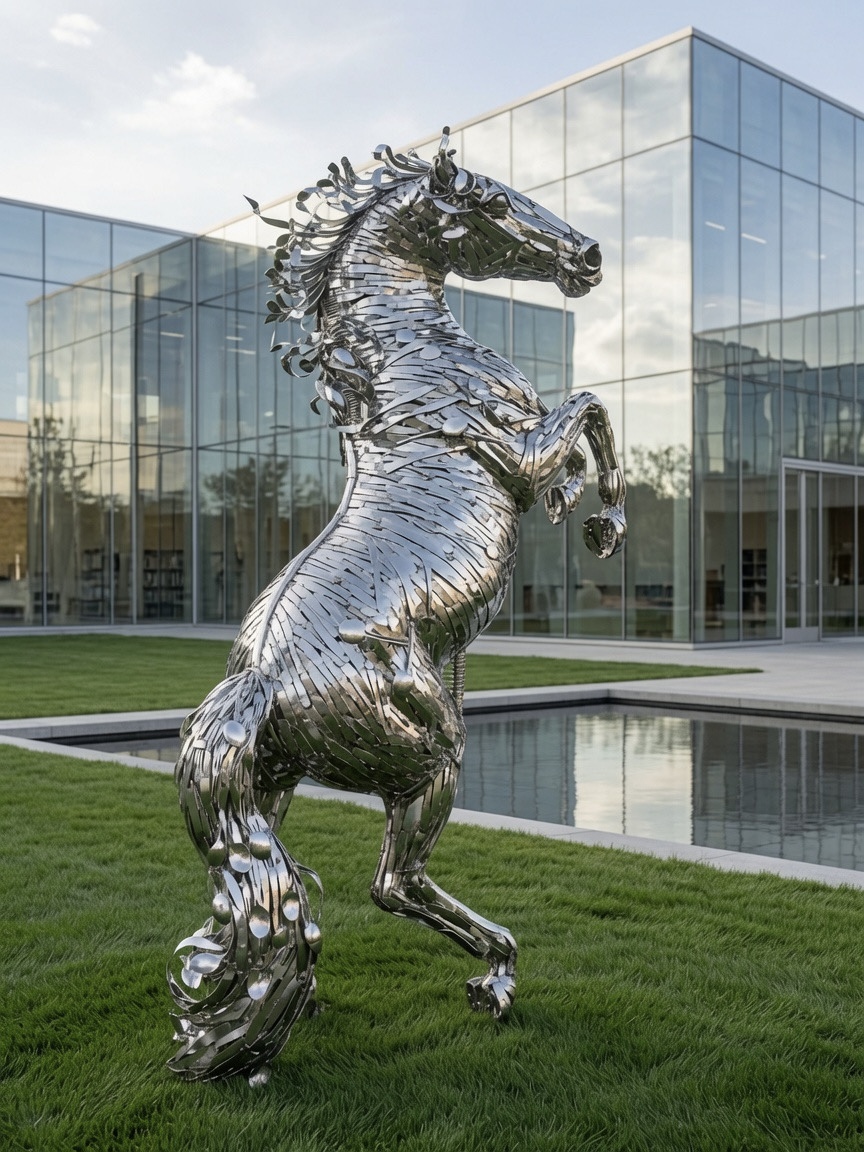
PE Sculpture creates custom works for private collectors, hotels, restaurants, corporate headquarters, galleries, public installations, cultural institutions, and private homes. Each commission is a direct collaboration between artist and client — from the first conversation through to final installation.
No brief is too ambitious. Works range from intimate table-scale pieces to life-size and architectural-scale outdoor installations.
| Conversation | A direct dialogue about your space, vision, and intent. We establish what the work needs to say and where it will live. |
| Concept | Sketches, scale references, and material proposals presented before a single weld is made. Your approval drives the process. |
| Creation | The work is built entirely by hand over an agreed timeline. Regular progress updates shared throughout production. |
| Delivery | Carefully crated and delivered to your location. Installation and placement support available for large-scale commissions. |
Get In Touch
For commissions, acquisitions, exhibition inquiries, and press. Every serious inquiry receives a personal response from the artist.
Nigeria — full address on request